China Girl Holly
Ilex x meserveae 'China Girl'
Nursery-Grown China Girl Holly Evergreen Shrub
- Provides year-round privacy with dense, spiny foliage and good deer resistance
- Thrives in USDA zones 5-9 and adapts well to different soil types
- Slow growth keeps it manageable while establishing over a decade or more
About this plant
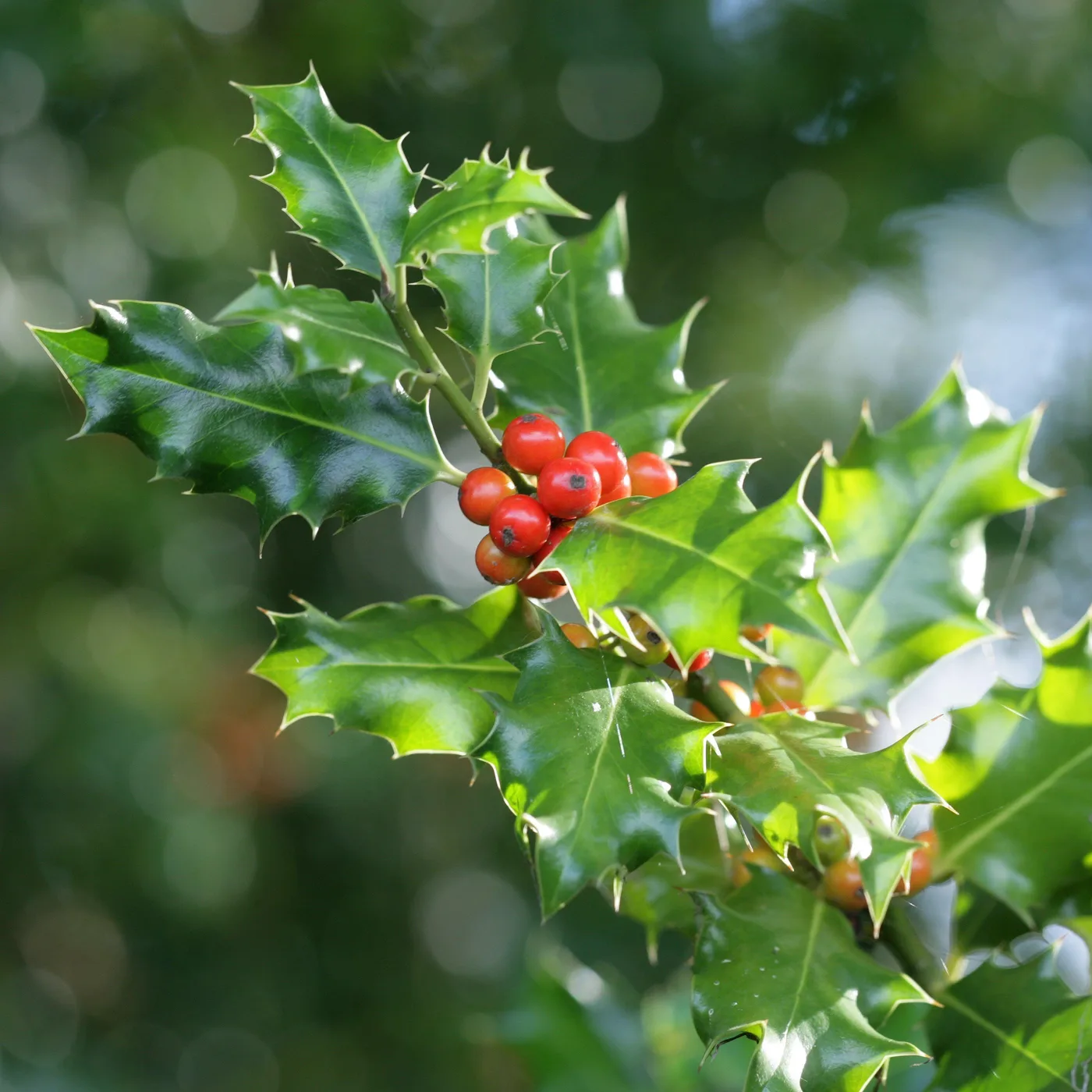
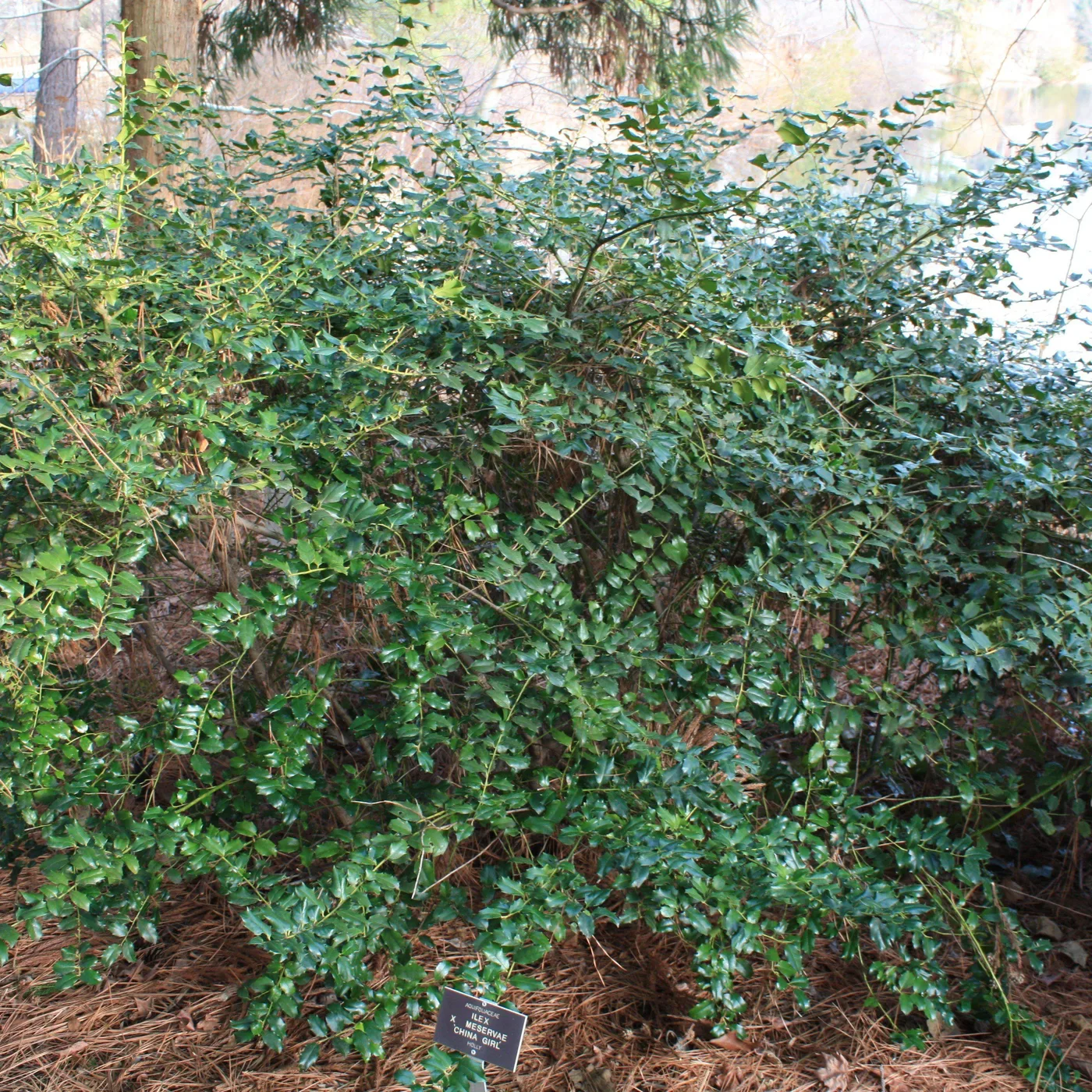
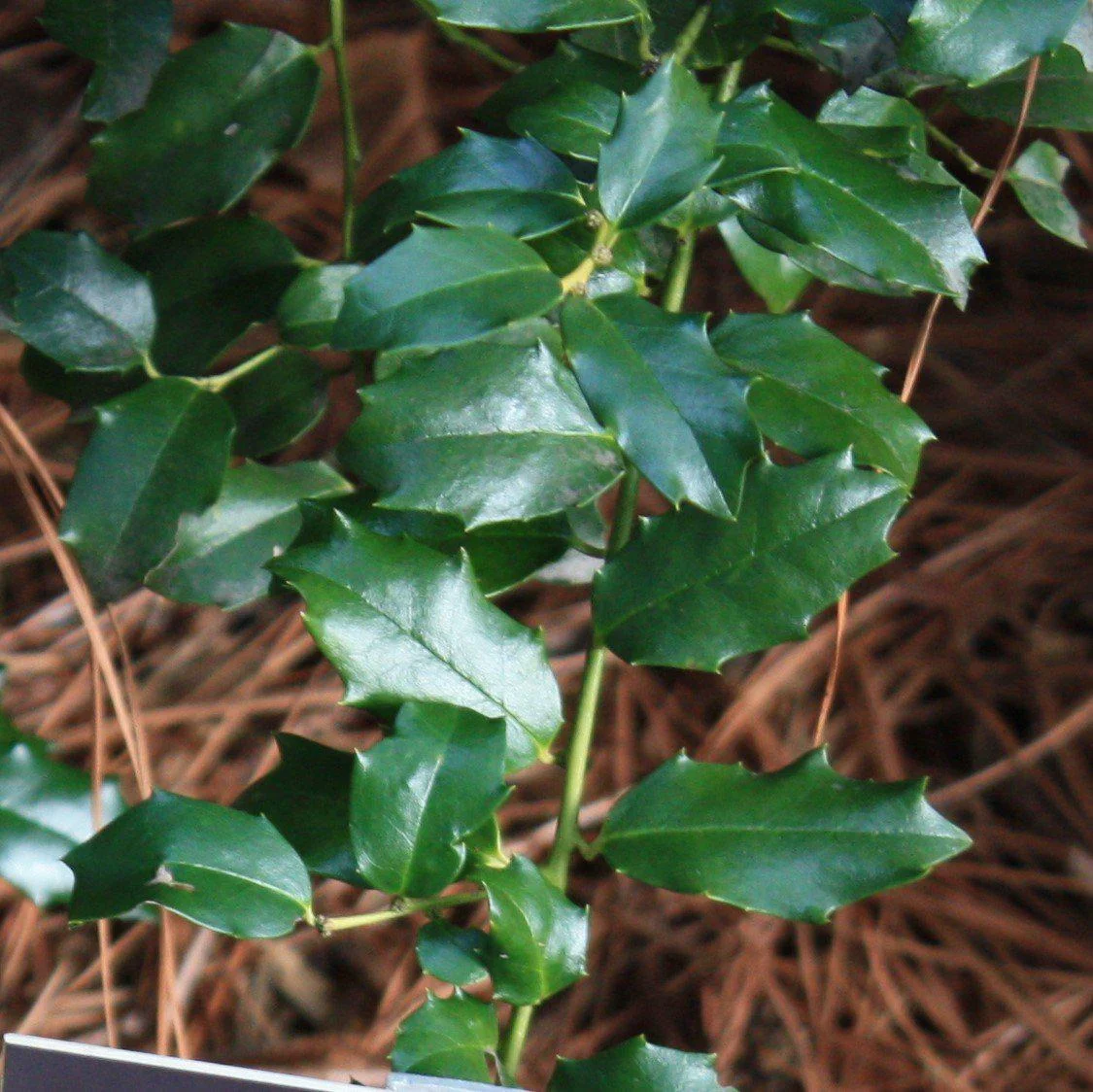
China Girl Holly is a broadleaf evergreen shrub with dense, spiny foliage and strong landscape versatility. Thrives in USDA zones 5-9, excelling as a privacy hedge, foundation planting, or specimen shrub. Best berry production and foliage density in full sun, though it tolerates part shade. Soil adaptable as long as drainage is adequate. Reaches full mature size in roughly 10-15 years.
Your China Girl Holly arrives in a nursery container, ready to transplant. Water thoroughly upon arrival and choose a planting location before the first week ends. If planting during fall or winter dormancy, mulch around the base for root protection. For spring or summer arrivals, water regularly until the plant establishes itself over the first growing season, typically one year.
China Girl Holly at a glance
| Botanical name | Ilex x meserveae 'China Girl' |
|---|---|
| Plant type | broadleaf evergreen shrub |
| USDA zones | 5-9 |
| Mature height | 8-10 ft (can reach 10-15 ft over many decades if left unpruned) |
| Mature width | 6-8 ft |
| Sun | full sun to part shade; best berry production and densest foliage in full sun |
| Water | medium/average; regular watering until established, then moderately drought tolerant |
| Bloom time | late spring (approx. May, varies by region) |
| Bloom color | white, small and inconspicuous |
| Growth rate | slow to moderate, roughly 6-12 in/year once established |
| Deer resistance | good (spiny leaves are a deterrent), though not fully deer-proof, especially with hungry deer or young plants |
| Best planting time | early spring or early fall, to allow root establishment before temperature extremes |
Container sizes explained
| #1 / 1 Gallon | A trade one gallon pot (about 6.5 inches). One to two seasons older than a quart, with an established root system. |
|---|---|
| #2 / 2 Gallon | A trade two gallon pot. Common for peonies and perennials that need root room; usually blooms the first or second year. |
| #3 / 3 Gallon | A trade three gallon pot (about 10 inches). A well-developed shrub or small tree, often 2 to 4 feet tall on arrival. |
Questions before you buy
Should I buy the 2-gallon or 3-gallon size?
Both reach the same mature size over time. The 3-gallon arrives more established and closer to planting-ready; the 2-gallon is a smaller investment for patient growers. Either works well if you water consistently through the first growing season.
When should I plant my China Girl Holly after arrival?
Plant as soon as practical. If soil is frozen or waterlogged, hold the container in a cool, protected spot and water lightly until conditions improve, then transplant. Spring through early fall is ideal; winter planting is possible if the ground is workable.
How big does China Girl Holly get?
It matures to 8-10 feet tall and 6-8 feet wide over roughly 10-15 years. With no pruning, it can eventually reach 10-15 feet tall over many decades. Regular light pruning keeps it to hedge height or desired form.
Does China Girl Holly need full sun?
Full sun produces the densest foliage and best berry production. Part shade is tolerated, but foliage and flowering may be thinner. Aim for at least 4-6 hours of direct sun daily for the strongest performance.
Can I grow China Girl Holly in my zone?
China Girl Holly thrives in USDA zones 5-9. If you're at the edge of zone 5, site it in a wind-protected spot to shield it from extreme winter fluctuations. Check your local zone to confirm before planting.
What do I do after planting to help it succeed the first year?
Water regularly and deeply through the first growing season to establish roots, then gradually reduce watering frequency as the plant matures. Mulch around the base to retain moisture and regulate soil temperature. Avoid heavy fertilizer; the plant adapts well to most soils without amendment.