China Girl Holly Care: The Complete Growing Guide
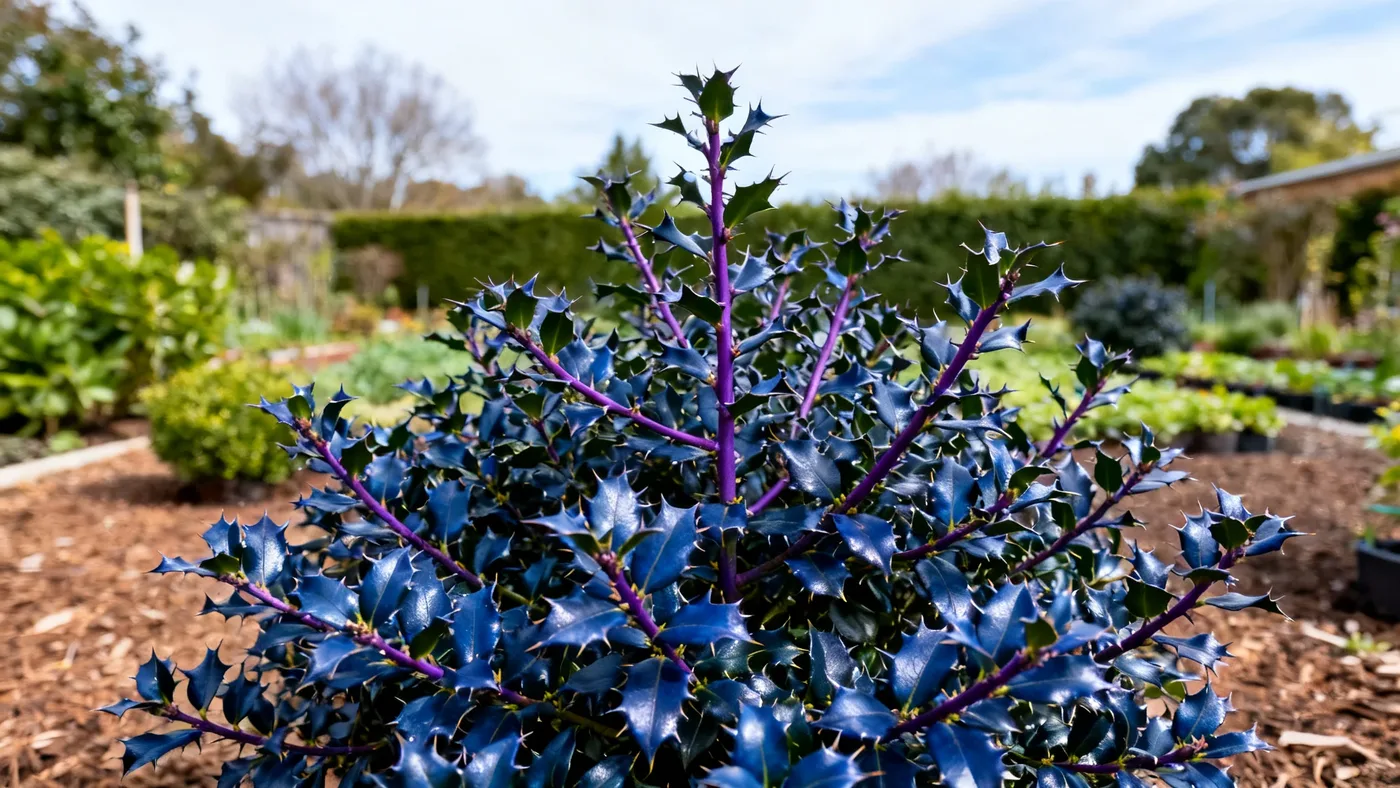
China Girl Holly (Ilex x meserveae 'China Girl') is one of the finest broadleaf evergreen shrubs for temperate gardens. With its dark blue-green foliage, brilliant red winter berries, and ornamental spiny leaves, this hybrid holly delivers year-round interest in USDA zones 5-9. Whether you're building a privacy hedge, screening an eyesore, or planting a specimen shrub, understanding how to care for China Girl Holly ensures it reaches its full potential and lives for 40-50 years or more.
This guide covers everything you need to know: from site selection and planting to pruning, troubleshooting pests and diseases, and maximizing berry production. Every recommendation is grounded in proven horticultural practice.
Quick Navigation
- Planting Essentials
- Soil Preparation and Requirements
- Watering and Drainage
- Light and Sun Needs
- Pruning and Shaping
- Fertilizing Your Holly
- Pests, Diseases, and Common Problems
- Getting Berries: Pollination Matters
Key Takeaways
- China Girl Holly grows 6-12 inches per year and reaches 8-10 feet tall and 6-8 feet wide at maturity
- Plant in USDA zones 5-9, in full sun or part shade (full sun gives densest foliage and most berries)
- Space plants 6-8 feet apart for hedges, wider for specimens
- Requires well-drained soil with pH 5.0-6.5; develops yellowing (chlorosis) in alkaline soil
- Tolerates drought once established, but performs best with regular moisture
- Prune in late winter to early spring before new growth; avoid heavy cutting that removes flower buds
- Needs a male pollinator (such as 'China Boy') nearby to produce red berries
Planting Essentials
Timing matters when planting China Girl Holly. Choose early spring or early fall, when air temperatures are mild and the ground is workable. These two windows allow roots to establish before temperature extremes arrive. Avoid planting in mid-summer heat or deep winter frost.
Select a location with full sun to part shade. Full sun delivers the best results: densest foliage, brightest berries, and strongest overall performance. Part shade works, especially in hot climates, but the plant will grow more loosely and produce fewer berries.
Space plants 6-8 feet apart if you're creating a hedge or screen. For specimen shrubs grown as individual focal points, space farther apart so each plant can spread to its full 6-8 foot width. Remember that this holly is slow to moderate growing, roughly 6-12 inches per year once established, so it takes time to fill a space.
Before planting, amend the planting hole with compost or well-rotted organic matter. Dig a hole as deep as the root ball and two to three times as wide. Break up compacted soil at the bottom to encourage root penetration.
Soil Preparation and Requirements
China Girl Holly adapts to many soil types: loam, clay, or sandy soil all work, provided drainage is good. The key is not the soil type but structure and drainage.
Soil pH should be acidic to neutral, ideally 5.0-6.5. If your soil is strongly alkaline (pH 7.5 or higher), the plant develops chlorosis, yellowing of new leaves while veins stay green. The holly cannot access iron in high-pH soils. If alkaline soil is unavoidable, amend generously with sulfur or choose a different shrub.
Mix 3-4 inches of compost, peat moss, or aged bark into the top 8-10 inches of soil before planting. This improves drainage in clay and water retention in sandy soil alike. Avoid creating a soil bowl that traps water around the root crown. The roots need to breathe.
Mulch lightly after planting: 2-3 inches of shredded bark or compost around the base, keeping it away from the stems. Refresh mulch annually to maintain soil moisture and regulate temperature.
Watering and Drainage
China Girl Holly needs regular watering until established, typically the first growing season. Water deeply once or twice per week during dry spells, giving the plant 1-2 inches of water per week from rain or irrigation combined.
Once established, usually after one full growing season, this holly is moderately drought tolerant and requires less frequent watering. However, it performs best with consistent moisture, especially during hot, dry summers. If your region receives less than 1 inch of rain per week, supplement with irrigation.
Do not let soil dry out completely, even in drought-tolerant mode. Dry stress makes the plant susceptible to spider mites and other pests. Conversely, waterlogged soil leads to root rot, particularly in winter. Ensure water drains within 24-48 hours of a heavy rain or irrigation event.
In areas with winter snow and road salt exposure, China Girl Holly tolerates it well. Salt tolerance is good, so coastal and roadside settings suit this shrub. However, salt-exposed plants still need adequate moisture to dilute soil salts.
Light and Sun Needs
Full sun (6 or more hours of direct sun per day) is ideal for China Girl Holly. In full sun, the shrub develops dense, compact foliage and produces abundant berries. The glossy dark blue-green leaves display their true color and take on purplish tones in new growth.
Part shade (3-5 hours of direct sun) is acceptable and may be necessary in hot climates where afternoon sun scorches foliage. The plant grows more loosely in shade, and berry production drops noticeably. If you want this holly for its winter berries, site it in full sun.
Avoid deep shade (less than 3 hours of direct sun). The shrub becomes leggy, pale, and bears few if any flowers or berries. If your only available spot is shaded, consider a different evergreen shrub.
Winter exposure is a concern in cold climates. In zones 5-6, plant China Girl Holly where it has afternoon shade or windbreak protection. Winter leaf scorch occurs in exposed, windy sites, browning the foliage. Deciduous trees to the west provide shelter from harsh afternoon sun and wind.
Pruning and Shaping
China Girl Holly tolerates pruning well and can be shaped into a formal hedge, informal screen, or natural specimen. The key is timing: prune in late winter to early spring, before new growth emerges. This schedule lets the plant heal quickly and supports a full season of growth.
Light pruning after berries fade in late winter is ideal. Remove dead or damaged stems, and lightly shape the shrub to encourage density. This approach keeps berries on display as long as possible.
For hedges, shear plants with hedge shears or pruners to maintain shape. Annual shearing keeps hedges compact and dense. However, avoid heavy pruning that removes more than one-third of the plant at once. Hard pruning removes flower buds and drastically reduces berry production that year.
If your holly grows too tall or wide, prune selectively over two to three years rather than cutting hard all at once. Remove entire branches at the base, starting with the oldest or most crowded stems. This approach maintains shape and flower production.
Never prune in late summer or fall. New growth produced late in the season does not harden off before winter frost and may die back.
Fertilizing Your Holly
China Girl Holly is not a heavy feeder. Overfertilizing promotes soft growth that attracts pests and weakens cold hardiness. A light feeding once per year is sufficient.
In early spring, as new growth begins, apply an acid-loving evergreen shrub fertilizer according to package directions. Look for products formulated for hollies, rhododendrons, or azaleas. These typically contain slightly higher iron and sulfur, which support the plant's preference for acidic soil.
If your soil is mulched annually with compost, the decomposing organic matter supplies slow-release nutrients. Established hollies in amended soil may need little to no supplemental fertilizer.
Avoid nitrogen-heavy lawn fertilizers. They encourage tender growth and reduce hardiness. Also skip fall fertilizing, which stimulates growth that will be damaged by first frost.
Pests, Diseases, and Common Problems
Holly leafminer, scale insects, and spider mites are the primary pests. Holly leafminer larvae feed inside leaves, creating blotchy tan tunnels visible from both sides. Infested leaves look stippled or mottled. Prune off heavily infested branches in late summer. Insecticidal oil sprays in fall can suppress populations, but light infestations rarely warrant treatment.
Scale insects appear as tiny bumps on stems and leaf undersides. Heavy infestations weaken the plant. Prune out infested branches, or use horticultural oil sprays in dormant season (late fall through early spring).
Spider mites cause yellowing and fine webbing on foliage, especially in hot, dry conditions. Increase watering and humidity to discourage them. Forceful water spray from a hose dislodges many mites. Miticide sprays are effective but should be reserved for severe outbreaks.
Fungal leaf spot appears as brown or black spots on leaves, especially in wet springs. Improve air circulation by pruning out crowded branches. Remove and discard fallen infected leaves. Most infections are cosmetic and do not threaten the plant's health.
Powdery mildew shows as white coating on new leaves in humid conditions with poor air circulation. Prune for better air flow and avoid overhead watering. Sulfur-based fungicides help if needed, but many infections self-resolve as weather improves.
Root rot is the most serious disease. It occurs only in persistently waterlogged soil, especially in winter. Ensure drainage is excellent, and allow soil to dry between watering. Once root rot starts, little can be done; prevention is essential.
Chlorosis (yellowing) is not a disease but a soil chemistry issue. Occurs in alkaline soil when the plant cannot absorb iron. Amend soil pH with sulfur, or plant in a more acidic location.
Getting Berries: Pollination Matters
This is the single most common question about China Girl Holly: why no berries? The answer is pollination. China Girl is female; it produces flowers but needs pollen from a male holly nearby to set fruit. Without pollination, flowers drop after bloom with no berries to follow.
Plant a male pollinator within 50-100 feet of your female holly. The classic partner is 'China Boy', a male cultivar of the same hybrid (Ilex x meserveae). Other male Meserve hollies like 'Blue Prince' also work. Bees transfer pollen between plants.
Even with a male pollinator present, cold springs or lack of bee activity can reduce berry set. Some years produce heavy crops; others are lighter. This is normal.
Flowers appear in late spring, typically around May, though timing varies by region and spring warmth. After successful pollination, small green berries develop and mature to bright red by fall. They persist through winter, providing ornament and food for songbirds.
Berries are mildly toxic to pets and people if ingested, causing vomiting, diarrhea, and mild gastrointestinal upset. They are not typically life-threatening, but keep this in mind if you have young children or pets that browse.
Quick Reference Checklist
| Task | Timing | Details |
|---|---|---|
| Plant | Early spring or early fall | Space 6-8 ft apart; amend soil with compost |
| Water | Weekly first year; as needed after | 1-2 inches per week until established; consistent moisture thereafter |
| Prune | Late winter to early spring | Remove dead wood; light shaping; never remove more than 1/3 at once |
| Fertilize | Early spring | Light application of acid-loving evergreen formula; avoid overfeeding |
| Monitor for pests | Spring and summer | Watch for leafminer, scale, spider mites; increase watering if stressed |
| Plan for pollination | Before planting | Plant a male pollinator (e.g., 'China Boy') within 50-100 ft for berries |
| Expect maturity | 10-15 years | Reaches full 8-10 ft height and 6-8 ft width; lives 40-50+ years |
Final Thoughts
China Girl Holly is a rewarding shrub for home gardeners and landscapers who choose a suitable site and provide good drainage. Its evergreen foliage, spiny leaf texture, and brilliant red berries make it a standout in winter landscapes. With minimal fertilizer, basic annual pruning, and attention to soil pH and moisture, this holly thrives across zones 5-9 and earns its place in any garden plan.