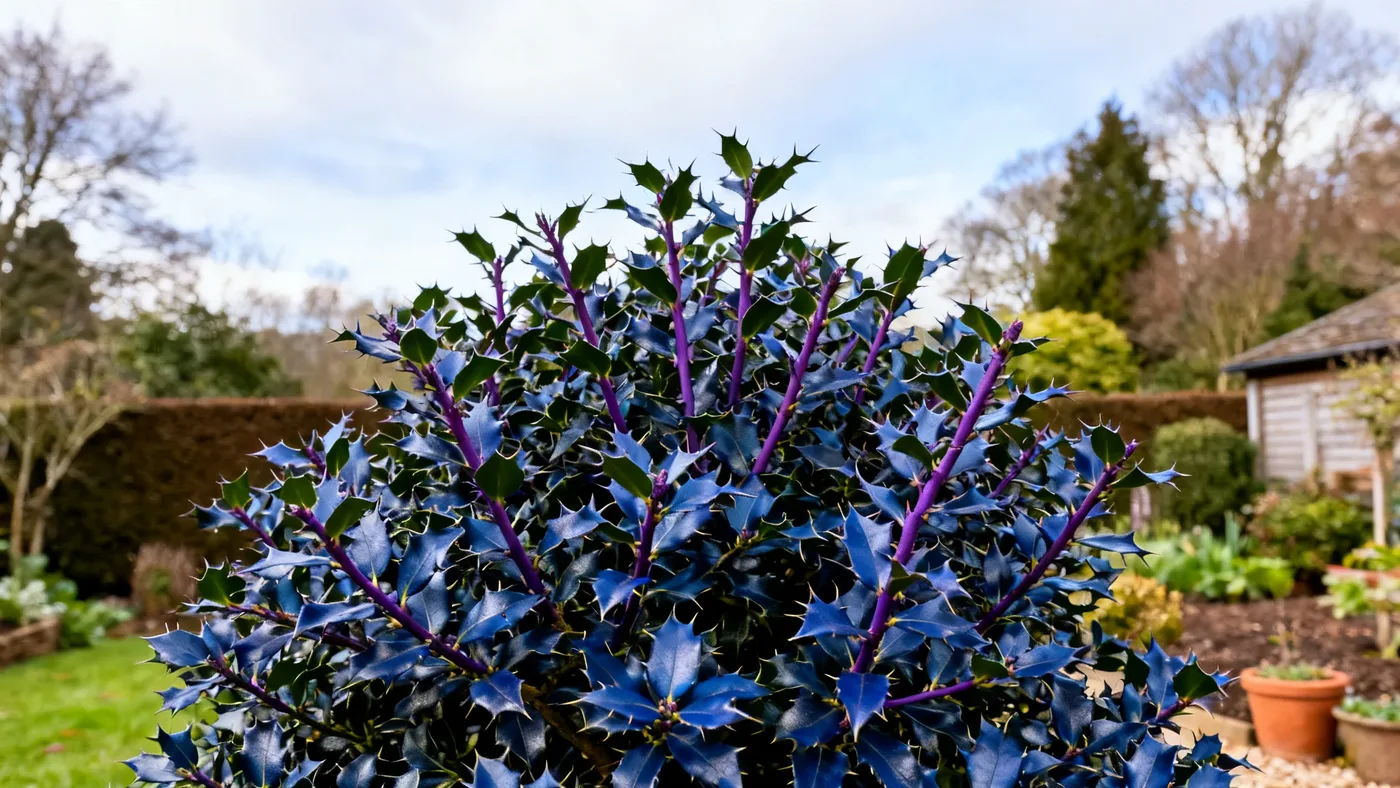
China Girl Holly Hardiness Zones: Where Will It Grow?
China Girl Holly is a cold-hardy evergreen shrub that brings winter interest to gardens across a wide swath of North America. If you're wondering whether this spiny, berry-producing holly will survive winters where you live, the answer depends on your USDA hardiness zone and a few other factors that go beyond geography. This guide answers the most common questions about China Girl Holly hardiness zones, winter survival, regional growing conditions, and what you can do to protect your plant through the coldest months.
Zone and Hardiness Basics
What are the hardiness zones for China Girl Holly?
China Girl Holly grows reliably in USDA hardiness zones 5 through 9. This means the shrub survives typical winter temperatures in those zones and can be grown outdoors year-round without winter protection in most years. The hardiness range reflects the plant's hybrid heritage, combining cold tolerance from Ilex rugosa with ornamental qualities from Ilex aquifolium.
Is China Girl Holly cold hardy?
Yes, China Girl Holly is considered cold hardy for its type, with documented survival in zone 5 winters. It was developed specifically for cold climates by breeder Kathleen Meserve on Long Island in the 1950s and 1960s. The cultivar's evergreen nature and persistent foliage help it maintain winter interest even in northern zones.
Can I grow China Girl Holly in zone 4?
China Girl Holly is not rated for zone 4 and is not reliably cold hardy below the zone 5 hardiness range. While individual plants might survive an unusually mild zone 4 winter, consistent survival cannot be guaranteed. If you are in zone 4, check with your local extension service about protected microclimates or exceptional planting sites.
Will China Girl Holly survive in zone 10?
Zone 10 is generally too warm for reliable China Girl Holly cultivation, as it prefers cooler climates. The plant's hardiness rating tops out at zone 9, where summer temperatures should moderate. In zone 10, heat stress and drought conditions may shorten the plant's lifespan or reduce berry production.
What does USDA hardiness zone mean for China Girl Holly?
USDA hardiness zones are based on average annual minimum winter temperatures; zone 5 averages -20 to -10°F, while zone 9 averages 20 to 30°F. China Girl Holly's zone 5-9 range means it can tolerate these typical winter lows outdoors without winter protection. However, hardiness zones do not account for other stress factors like wind, moisture, or soil pH, which can affect survival even within the rated range.
Winter Survival and Temperature Extremes
How cold can China Girl Holly tolerate?
China Girl Holly is rated for zone 5 winters, which typically see minimum temperatures between -20 and -10°F. The plant's cold tolerance comes from both its hybrid genetics and its evergreen foliage structure. Prolonged exposure to extreme cold or repeated freeze-thaw cycles can stress the plant, even within its hardiness range.
Can China Girl Holly survive winter where I live?
If your area falls within USDA zones 5 through 9, China Girl Holly should survive winter with good care. Factors beyond zone, such as winter wind exposure, soil drainage, and microclimate, also influence survival rates. To check your hardiness zone, visit planthardiness.ars.usda.gov or contact your local cooperative extension.
What causes winter damage on China Girl Holly?
Winter injury on China Girl Holly most commonly results from harsh wind, poor soil drainage, or extreme cold swings combined with exposure. The plant's spiny evergreen foliage can develop scorch or browning when buffeted by dry winter winds in exposed sites. Planting in a sheltered location and ensuring good soil drainage reduce the risk of cold-season damage.
Is China Girl Holly evergreen in cold zones?
Yes, China Girl Holly is an evergreen shrub that retains its dark blue-green, spiny foliage year-round, even in zone 5. The persistent evergreen leaves and bright red berries (on pollinated females) create excellent winter interest and provide shelter for overwintering songbirds. Its evergreen nature is one of its defining landscape assets in cold and temperate regions.
Regional Growing Conditions
Can I grow China Girl Holly in the Northeast?
China Girl Holly thrives throughout much of the Northeast within its hardiness range of zones 5 through 8, depending on your specific location. The Northeast's typical winter patterns fall within the plant's tolerance, though winter wind exposure on exposed sites can cause leaf scorch. Plant in a location with afternoon sun and good drainage for best results.
Does China Girl Holly grow in the Pacific Northwest?
The Pacific Northwest's mild, moist climate suits China Girl Holly well, particularly in zones 8 and 9 areas. However, the region's wet winters and moderate temperatures differ from the plant's native growing conditions, so ensure the soil drains well to prevent root rot. Afternoon sun helps maintain foliage density and berry production in the Pacific Northwest's partly cloudy climate.
Is China Girl Holly suitable for the South?
China Girl Holly can be grown in zone 8 and parts of zone 9 in the upper South, though it is not reliably hardy in lower zone 9 or zone 10. Southern gardeners in hotter zones may find the plant stressed by summer heat and humidity unless placed in partial afternoon shade. Choose a location with excellent drainage and consistent moisture to support the plant's needs in warmer climates.
Can I grow China Girl Holly in zone 5?
Yes, zone 5 is within China Girl Holly's hardiness range and represents the coldest zone where it reliably survives winter. The plant will need a sheltered planting location and good soil drainage to handle zone 5's typical winter temperatures of -20 to -10°F. Select a spot with afternoon sun to encourage dense foliage and maximum berry production.
Microclimate and Planting Site Considerations
Does altitude affect China Girl Holly hardiness?
Yes, altitude can affect cold hardiness; higher elevations experience colder average temperatures, which may shift your effective hardiness zone downward. If you live at significant elevation, contact your local extension service or check the detailed hardiness map to confirm your zone. A mountain location at 4,000 feet might behave more like zone 4 than the zone 5 listed for your lowland area.
How do I protect China Girl Holly from winter wind?
Plant China Girl Holly on the sheltered side of a building, fence, or evergreen windbreak rather than in an exposed, windswept location. Winter desiccation (damage from dry winter winds) is one of the most common cold-season problems, even in zones where the plant is rated hardy. Consistent soil moisture and afternoon shade in exposed sites both reduce winter wind damage.
Does exposure affect survival?
Yes, exposure has a major impact on China Girl Holly survival, sometimes trumping the official hardiness zone rating. A sheltered south-facing site in zone 5 may support the plant better than an exposed, north-facing location in the same zone. Wind, sun angle, snow cover, and reflection from pavement all change the microclimate in which your shrub lives.
Can I grow China Girl Holly against a south-facing wall?
A south-facing wall offers excellent winter protection and reflects heat, creating a warm microclimate that can extend the plant's usable range. However, ensure the location receives afternoon sun and has good drainage, as heat reflection can increase the plant's water needs. This placement works especially well in zone 5 gardens seeking maximum winter protection.
What about shade in winter?
Some afternoon shade is beneficial in zones 8 and 9, where summer heat can stress the plant, but full sun is preferred in zones 5 and 6 for best foliage density and berry production. Winter shade generally does not harm the plant, though it reduces flowering and berry set. Avoid deep, all-day shade, which leads to sparse foliage and few berries.
Planting Timing and Spring Considerations
When should I plant China Girl Holly?
Plant China Girl Holly in early spring or early fall to allow root establishment before temperature extremes. Both seasons give the shrub time to develop roots before summer heat or winter cold stress. Avoid planting in summer or late fall, when the plant has less time to settle before challenging seasons.
Will a late spring frost kill China Girl Holly?
Late spring frosts generally do not kill established China Girl Holly plants, though new growth can be damaged if frost follows an unusually warm spell. The plant's evergreen structure and hybrid vigor allow it to recover from spring frost damage relatively quickly. This is another reason to plant in fall or early spring rather than late spring.
Why does planting time matter for hardiness?
Newly planted shrubs are less cold and drought hardy than established plants with deeper roots. Planting in early spring or fall gives the root system time to develop before extreme temperatures, improving survival odds. A newly planted China Girl Holly in late fall has little time to acclimate, making it more vulnerable to winter stress.
Berry Production and Pollination in Cold Zones
Does China Girl Holly produce berries in zone 5?
Yes, China Girl Holly reliably produces bright red berries in zone 5, provided a compatible male pollinator (such as 'China Boy' holly) is nearby. Berry production is highest in full sun with consistent soil moisture. The berries persist through winter and are an important food source for songbirds.
Do I need a male pollinator in cold zones?
Yes, a male China Girl Holly pollinator such as 'China Boy' must be within 50 to 100 feet for reliable berry set in any zone, including zone 5. Without a male pollinator, the female flowers will not be pollinated and no berries will develop. This is a variety requirement, not a zone-specific issue, but it is equally important in cold climates.
Quick Reference: Hardiness and Winter Conditions by Zone
| Zone | Typical Winter Low | China Girl Holly Survival | Growing Notes |
|---|---|---|---|
| 4 | -30 to -20°F | Not recommended | Check with local extension for protected sites |
| 5 | -20 to -10°F | Yes, reliable | Plant in shelter from winter wind; full sun |
| 6 | -10 to 0°F | Yes, excellent | Wide margin of safety; good microclimate management |
| 7 | 0 to 10°F | Yes, excellent | Heat may limit growth in exceptional years |
| 8 | 10 to 20°F | Yes, reliable | Afternoon shade beneficial in upper South |
| 9 | 20 to 30°F | Yes, reliable | Partial shade and consistent moisture recommended |
| 10 | 30 to 40°F | Not recommended | Too warm for reliable growth |
For Complete Growing Care
For detailed information on watering, feeding, pruning, and solving common problems with China Girl Holly, see our complete guide to China Girl Holly care and growing. That resource covers soil preparation, spacing, year-round maintenance, pest and disease management, and how to get the most berries and fullest foliage from your shrub.