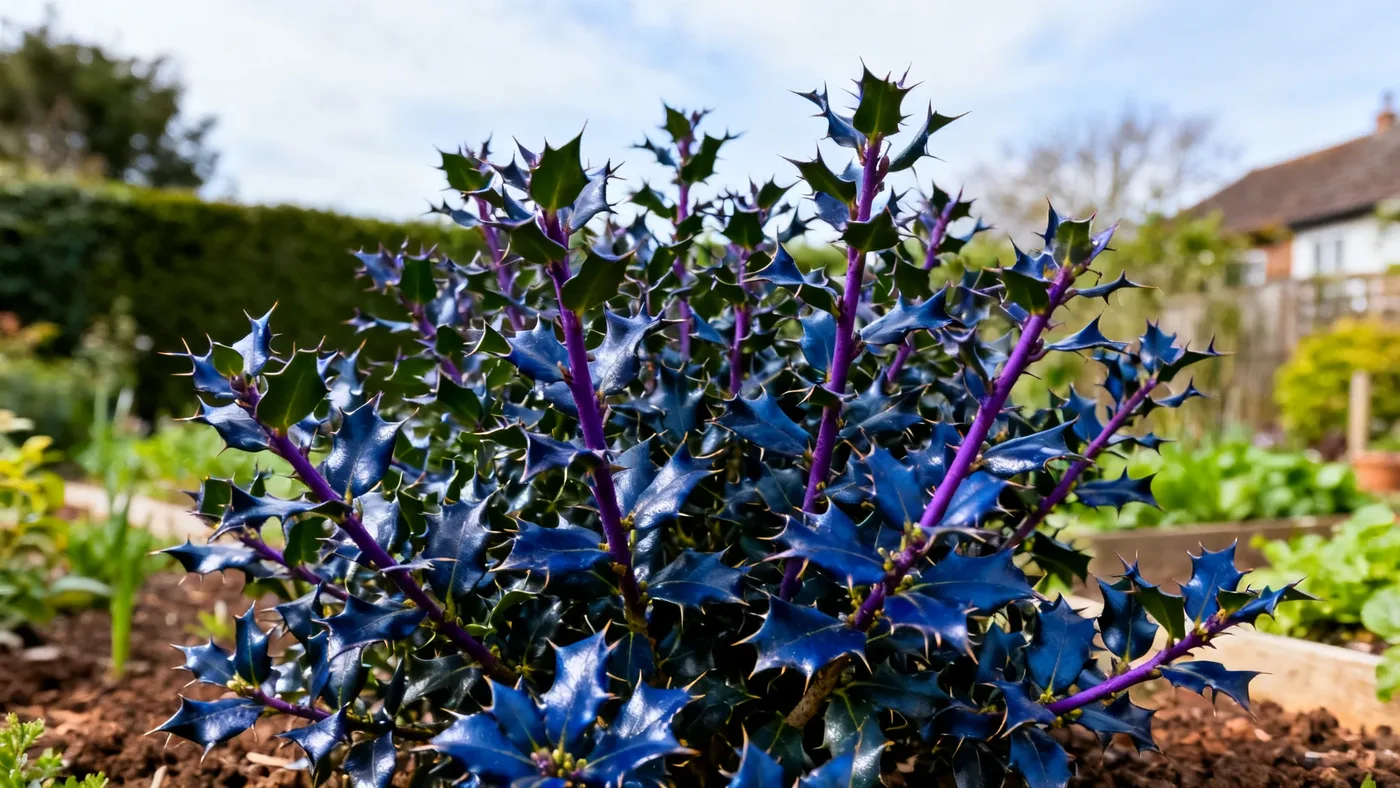
Is China Girl Holly Deer and Rabbit Resistant?
Browsing deer and rabbits can devastate an unprotected garden, but finding shrubs that naturally resist them saves time and frustration. China Girl Holly offers genuine deer resistance, though it's not foolproof, especially for young plants or populations under extreme hunger. This FAQ covers what you need to know to use China Girl Holly effectively in a wildlife-challenged landscape.
Deer Resistance: The Fundamentals
Is China Girl Holly truly deer resistant?
Yes, China Girl Holly has good deer resistance thanks to its glossy, spiny evergreen leaves that deter most browsing deer. The sharp leaf edges make the plant an unattractive food source compared to softer, more palatable plants. However, "good" does not mean deer-proof, particularly when deer are hungry, populations are high, or the plant is young.
How does China Girl Holly defend itself against deer?
The plant's primary defense is its deep blue-green leaves with sharp spines that make eating uncomfortable. These spiny leaves discourage deer from browsing, since they prefer tender, smooth foliage. Once a deer learns that China Girl Holly is prickly and unpleasant, it moves on to easier meals.
What makes China Girl Holly's leaves so spiny?
China Girl Holly's spiny leaves are an inherited trait from its parent species, Ilex rugosa and Ilex aquifolium. The spines serve both ornamental and defensive purposes. This natural characteristic is consistent throughout the plant's mature foliage and is one of its most distinctive features.
Why is China Girl Holly considered "good" deer resistant, not "excellent"?
Deer resistance is never absolute, and China Girl Holly's spiny leaves are a deterrent, not a guarantee. Extremely hungry deer during winter or drought may eat almost anything. Young plants with tender new growth are also more vulnerable than mature, full-sized specimens.
Young Plants and Establishment Phase
Are young China Girl Holly plants deer resistant?
Young plants are more vulnerable to deer damage than mature specimens because their new growth is tender and less spiny. A 2-year-old China Girl Holly in a quart or #1 container is far more attractive to deer than an established 8 to 10-foot shrub. Expect to protect young plants until they reach 3 to 4 feet tall and develop full, dense foliage.
Should I fence young China Girl Holly plants?
Yes, protective fencing is highly recommended for the first two to three years after planting, especially in high-deer areas. A simple 4 to 5-foot plastic tree guard or hardwood fence around the plant provides reliable protection while it establishes. Once the plant reaches mature size with dense, prickly foliage, the fence can often be removed, though continued monitoring is wise.
How long until deer won't eat my China Girl Holly?
Most established China Girl Hollies become unattractive to deer after 3 to 4 years, once they develop 4 to 6 feet of height and full, dense spiny foliage. Growth rate is slow to moderate, roughly 6 to 12 inches per year once established. Your timeline depends on soil quality, sunlight, water availability, and local deer populations.
What's the best time to plant China Girl Holly to avoid deer damage?
Plant in early spring or early fall to allow root establishment before temperature extremes. Early spring planting gives young plants a full growing season to develop before the stress of summer heat. Early fall planting allows root growth through mild temperatures and reduces first-year deer vulnerability compared to planting in late summer.
Rabbit Resistance and Other Wildlife
Is China Girl Holly rabbit resistant?
China Girl Holly's spiny, prickly foliage makes it unattractive to rabbits in much the same way it deters deer. Rabbits prefer smooth, tender plants and generally avoid plants with sharp or waxy leaves. While the spines provide some natural resistance, young plants are still at greater risk than mature, dense specimens.
Will rabbits eat young China Girl Holly plants?
Rabbits are less likely to damage China Girl Holly compared to preferred species like arborvitae or yew, but young, tender growth can still be browsed if other food sources are scarce. Protecting young plants with 1 to 2-inch mesh fencing or tree guards provides insurance, especially in winter. Once established, the spiny foliage offers good natural protection.
Are the berries toxic to deer or rabbits?
The berries and leaves of China Girl Holly are mildly toxic to humans and pets if ingested, causing vomiting, diarrhea, and GI upset. However, birds readily eat the berries and help disperse seed throughout winter. Deer and rabbits typically avoid the plant because of its texture and spines, not because of berry toxicity.
Do birds and squirrels damage China Girl Holly?
No, birds and squirrels do not browse China Girl Holly leaves. Birds are drawn to the bright red berries (on pollinated female plants) as a winter food source, which is actually beneficial for the plant and local wildlife. Squirrels may occasionally strip bark on very young seedlings, but this is rare and not a primary concern.
Limitations and Realistic Expectations
Is China Girl Holly fully deer-proof?
No plant is truly deer-proof, and China Girl Holly is no exception. It offers good resistance, not absolute protection, especially during harsh winters or droughts when deer are desperate. In areas with very high deer populations or where natural food sources are severely depleted, even established China Girl Hollies can suffer damage.
What if deer are starving, will they eat China Girl Holly?
Starving deer will eat almost any plant, including spiny, unpalatable species. During severe winter conditions or extended drought, deer may browse China Girl Holly despite its prickly leaves. In these extreme situations, additional fencing or repellents may be necessary to protect your shrubs.
How hungry does a deer have to be to eat China Girl Holly?
There's no precise hunger threshold, but generally deer will eat China Girl Holly only when preferred food sources like clover, fruit trees, or tender ornamentals are unavailable. The plant remains unappealing compared to dozens of other landscape plants, so it's usually a last resort. Regional climate, growing season length, and native plant availability all affect how pressure translates to browsing risk.
Do different deer populations behave differently?
Yes, deer learn from experience, and populations that have encountered spiny plants before may avoid them more consistently. Young, inexperienced deer are sometimes more curious and may test the plant. Local deer populations also vary in size, hunger level, and food preferences depending on region, season, and habitat quality.
Landscaping and Design Strategy
Can I use China Girl Holly in a deer-resistant garden design?
Absolutely, China Girl Holly is an excellent anchor plant for a mixed deer-resistant landscape. Pair it with other resistant shrubs like boxwood, rhododendron, and azalea to create a cohesive, layered design. The 8 to 10-foot mature height and 6 to 8-foot spread make it ideal for hedges, screens, and specimen plantings in zones 5 to 9.
What companion plants pair well with China Girl Holly for deer resistance?
Boxwood, Japanese holly, and inkberry holly all offer similar deer resistance and share similar growing requirements with China Girl Holly. Rhododendron and azalea are other excellent companions that thrive in the same acidic soil conditions (roughly 5.0 to 6.5 pH). Together, these plants create a multi-textured, layered landscape that is far less appealing to deer than isolated specimens.
How wide should China Girl Holly spacing be for a deer-resistant hedge?
Space plants 6 to 8 feet apart for a privacy hedge or screen, allowing each shrub to reach its full mature width of 6 to 8 feet. Closer spacing creates a denser, more intimidating visual barrier that deer are even less inclined to cross. This spacing also improves air circulation and reduces disease pressure in humid climates.
Should I plant China Girl Holly near other plants to increase protection?
Yes, clustering multiple resistant plants creates a more effective deterrent than isolated specimens. Deer are more likely to bypass a dense, mixed planting of spiny or unpalatable shrubs than to hunt through them for a single plant. Mixed hedges and foundation plantings also provide better aesthetics and wildlife value than monocultures.
Seasonal and Regional Considerations
Does deer pressure change seasonally?
Yes, deer pressure is typically highest in late fall and winter when natural food sources diminish and deer herds are stressed. Early summer may see increased browsing from young deer (fawns) exploring the landscape for the first time. Spring new growth is also vulnerable since tender shoots are more palatable than mature, spiny foliage.
Do I need extra protection in winter for China Girl Holly?
Established plants generally do not require extra winter protection beyond what they need for cold hardiness (China Girl Holly is hardy to zones 5 to 9). However, young plants benefit from persistent fencing or guards through at least the first two winters. Winter deer browse is more severe than any other season, so this timing is critical.
Are there regions where China Girl Holly has more or less deer pressure?
Yes, deer density varies dramatically by region. Areas with dense suburban sprawl, isolated woodlots, or overpopulated local herds experience more browse pressure than regions with balanced predator populations or large continuous forests. Check with your local extension service or experienced local nurseries to understand typical deer behavior in your specific area.
Care and Maintenance Effects on Resistance
Does pruning affect China Girl Holly's deer resistance?
Heavy pruning removes the spiny leaf growth and can temporarily reduce resistance, especially if done late in summer. Shape plants in late winter to early spring before new growth, or lightly after berries fade, to maintain full protective foliage. Light pruning for shaping does not significantly compromise resistance, but major rejuvenation should be timed carefully to allow recovery before peak deer season.
Can I use deer repellents alongside China Girl Holly?
Yes, commercial repellents can provide additional short-term protection on young plants, though they require frequent reapplication and are less reliable than physical barriers. Repellents are most effective as a temporary tool during the first 1 to 2 years while spiny foliage develops. Combination approaches (fencing plus repellent plus companion planting) offer the best protection in high-pressure areas.
What if deer are already damaging my China Girl Holly?
Install fencing immediately around damaged plants if they are young or recently planted. Prune off heavily browsed branches in late winter to encourage healthy new growth. For mature plants with minor damage, the shrub will recover, though you should monitor and fence to prevent repeat damage during the critical first establishment years.
Toxicity and Health Concerns
Is China Girl Holly toxic to pets?
Yes, the berries and leaves are mildly toxic to dogs, cats, and other pets if ingested, potentially causing vomiting, diarrhea, and gastrointestinal upset. The toxicity is generally not life-threatening but can cause significant discomfort. Keep China Girl Holly out of reach of curious pets, or monitor closely if you plant it in areas where pets have unsupervised access.
Should I be concerned about the toxicity affecting wild animals?
Birds consume the berries without problems and are actually a primary dispersal mechanism for the plant. Deer and rabbits do not typically eat enough foliage or berries to experience toxicity issues due to the plant's physical defenses (spines). The toxicity is mild and not a factor in herbivore avoidance patterns.
Quick Reference: Deer and Rabbit Resistance Profile
| Characteristic | Details |
|---|---|
| Deer Resistance Rating | Good (not fully deer-proof; higher risk for young plants) |
| Rabbit Resistance Rating | Good (spiny leaves deter browsing; young plants more vulnerable) |
| Primary Defense Mechanism | Spiny, prickly evergreen foliage; unpalatable texture |
| Vulnerable Stage | Years 1-4 after planting; tender new growth in spring |
| Recommended Protection (Young Plants) | Plastic tree guards or 4-5 foot fencing for first 2-3 years |
| Peak Browsing Season | Late fall through winter (natural food sources scarce) |
| Mature Height | 8-10 feet (can reach 10-15 feet over many decades) |
| Mature Width | 6-8 feet |
| Growth Rate | Slow to moderate; roughly 6-12 inches per year once established |
| Spacing for Hedges | 6-8 feet apart for privacy screen |
| Hardy Zones | 5-9 |
| Best Planting Time | Early spring or early fall (allows root establishment) |
| Toxicity to Pets | Mildly toxic; causes vomiting, diarrhea, GI upset if ingested |
| Companion Resistant Plants | Boxwood, rhododendron, azalea, Japanese holly, inkberry holly |
For a complete guide to planting, pruning, and caring for China Girl Holly, see our complete growing guide. Many deer and rabbit challenges resolve once the plant reaches mature size and density, so focus on protection during the critical first few years.