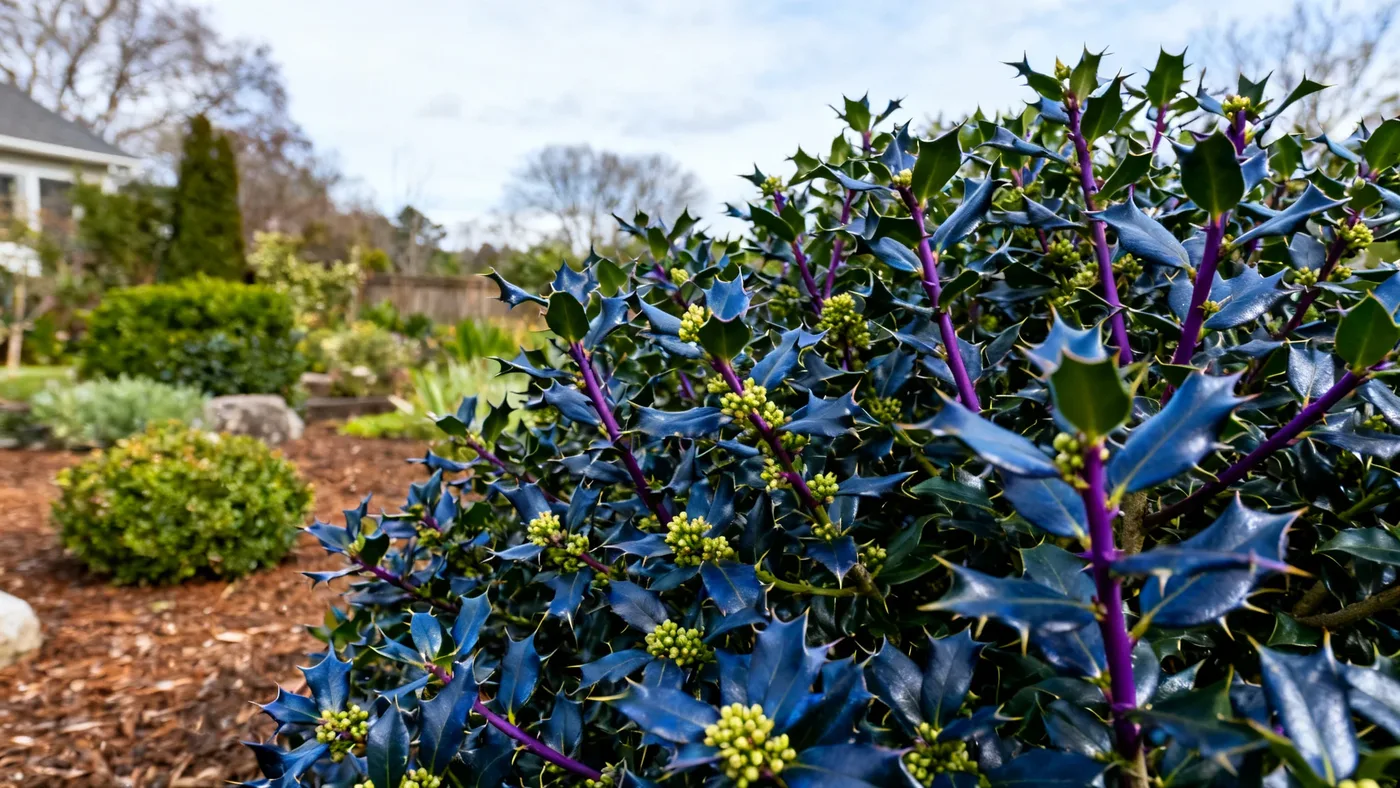
Is China Girl Holly Toxic to Dogs, Cats and Kids?
China Girl Holly (Ilex x meserveae 'China Girl') is a popular evergreen shrub prized for its dark glossy foliage and brilliant red berries. If you have pets or young children, you're right to ask whether this plant poses a health risk. The short answer: China Girl Holly berries and leaves are mildly toxic, but ingestion is usually not life-threatening. That said, you'll want to understand the risks and know how to respond if someone does eat the plant.
General Toxicity: Dogs, Cats, and Children
Is China Girl Holly toxic to dogs?
Yes, China Girl Holly is mildly toxic to dogs if they eat the berries or leaves. The plant's toxins can cause vomiting, diarrhea, and gastrointestinal upset in dogs. While serious poisoning from China Girl Holly is uncommon, any ingestion warrants a call to your veterinarian or poison control.
Is China Girl Holly toxic to cats?
Yes, China Girl Holly is mildly toxic to cats, particularly the bright red berries that may attract a curious feline. Cats that ingest the berries or foliage may experience vomiting, diarrhea, and GI distress. Cats are generally less likely than dogs to chew on shrub foliage, but the risk exists, especially for indoor cats with access to potted plants or clippings.
Is China Girl Holly toxic to children?
Yes, China Girl Holly berries are poisonous if swallowed by children, and the leaves can also pose a toxicity risk. The berries are bright, attractive red, and may appeal to small children who might eat them out of curiosity. Ingestion can cause vomiting, diarrhea, and stomach upset, though serious poisoning is rare.
Are both the berries and leaves toxic?
Both the berries and leaves of China Girl Holly contain compounds that can cause toxicity if ingested. The berries are the primary concern because of their bright color and sweet appearance, but the spiny leaves are also toxic. Most poisoning cases involve the berries rather than leaves, simply because berries are more appealing to eat.
How does China Girl Holly toxicity compare to other holly plants?
China Girl Holly has similar toxicity levels to other Ilex species, including English Holly (Ilex aquifolium) and Japanese Holly (Ilex crenata). All holly plants are mildly toxic, and all can cause gastrointestinal upset if berries are eaten. The toxicity is consistent across the holly family, so the same precautions apply whether you're growing China Girl Holly, Blue Princess, or any other cultivar.
Symptoms and Emergency Response
What are the symptoms of China Girl Holly poisoning in pets?
Symptoms appear within a few hours of ingestion and typically include vomiting, diarrhea, and abdominal discomfort. Some pets may show lethargy or loss of appetite. Most cases resolve on their own within 24 to 48 hours, but contact your veterinarian immediately if your pet eats China Girl Holly berries or leaves.
What should I do if my dog eats China Girl Holly berries?
Do not wait to see if symptoms develop. Call your veterinarian or local poison control right away with information about how many berries your dog ate and when. Your vet may recommend monitoring at home or a clinic visit, depending on the amount ingested and your dog's size. Do not induce vomiting without professional guidance.
What if my cat ingests China Girl Holly?
Call your veterinarian or the ASPCA Animal Poison Control Center immediately. Provide as much detail as possible about what the cat ate and when. While cats are less likely to nibble shrub foliage than dogs, they can ingest plant material through grooming after chewing leaves or from playing with clippings.
What should I do if a child swallows China Girl Holly berries?
Contact Poison Control at 1-800-222-1222 (US) or your local emergency line right away. Have the following information ready: the child's weight, how many berries were eaten, and when. A poison control specialist will advise whether the child needs evaluation or observation. Do not induce vomiting without professional guidance.
How serious is China Girl Holly poisoning?
China Girl Holly poisoning is typically not life-threatening, especially if caught early and treated supportively. Most cases involve mild gastrointestinal symptoms that resolve without medical intervention. Serious complications are rare, but any ingestion should be reported to a medical professional, especially in young children or small pets.
The Berries: What You Need to Know
Why are China Girl Holly berries so toxic?
China Girl Holly berries contain compounds that irritate the digestive tract when ingested. The berries' bright red color and small, round size make them visually appealing and easy to eat in quantity. A single berry is unlikely to cause serious harm, but a handful of berries consumed at once poses greater risk.
Do all China Girl Hollies produce berries?
Only female China Girl Holly plants produce the toxic red berries. Male plants (like 'China Boy') produce flowers but no berries. If you want berries for ornamental interest, you need a female plant, but if toxicity is a serious concern in your household, you might consider planting only the male cultivar, which still offers attractive glossy foliage and eliminates the berry hazard.
How many berries would it take to cause serious harm?
Exact thresholds vary by individual (pet weight, child age, overall health), so any significant ingestion should be reported to poison control or a veterinarian. A few berries are unlikely to cause more than mild symptoms, but a handful or more increases the risk of vomiting and diarrhea. When in doubt, call for professional guidance rather than guessing safe quantities.
When are the berries most toxic?
Berries persist on the plant through winter, remaining a hazard from late fall through early spring. This extended presence means the risk window is long if you have young children or outdoor pets. Winter weather does not reduce the berries' toxicity, so vigilance is needed throughout the season.
Prevention and Safe Growing Practices
Can you make China Girl Holly safe for homes with dogs and cats?
You can reduce risk by choosing the male 'China Boy' cultivar, which produces no berries. If you want berries, consider planting in a location where pets cannot access new growth or fallen berries. Removing berries by pruning in late winter to early spring can also lower the hazard, though it requires annual effort and reduces ornamental appeal.
Should I plant China Girl Holly if I have a curious toddler?
China Girl Holly is not recommended if you have a toddler who is still exploring the world by mouth. The spiny leaves are a minor deterrent, but the bright berries may override a child's caution. If you must grow China Girl Holly, plant it in a fenced area away from where children play, or wait until children are old enough to understand "do not eat" instructions.
How can spiny leaves help protect against ingestion?
The plant's dark blue-green, glossy, spiny evergreen leaves create a natural barrier that discourages casual chewing. Dogs and cats typically avoid the prickly foliage. However, the spines do not prevent determined chewing or the deliberate plucking of berries, so they should not be your only line of defense.
Should I remove berries to reduce toxicity risk?
Removing berries before they fall eliminates the primary toxicity hazard, though it defeats the purpose of growing a female plant for winter interest. If you choose to leave berries on the plant, keep a close eye on young children and pets, and remove any berries that drop on the ground. Pruning should occur in late winter to early spring before new growth, or lightly after berries fade.
Is China Girl Holly safe to grow in a container?
Yes, container growing can reduce risk by keeping the plant out of reach of small children and ground-level pets. Nursery-grown plants are commonly sold in #1 or #3 containers and can be started in pots. However, containers require regular watering and eventual transplant to ground for long-term care, as China Girl Holly reaches 8-10 ft at maturity.
What about pruning and handling the plant?
Wear gloves when pruning to protect your hands from the sharp spines. Wash your hands thoroughly after handling, and avoid touching your face or mouth until hands are clean. Dispose of pruned material and fallen berries in the trash rather than in yard waste where children or pets might access them.
Safe Alternatives and Complementary Plants
Are there safer evergreen shrubs I can grow instead?
Yes, several evergreens are non-toxic or pose minimal toxicity risk. Boxwood and Inkberry Holly are companion plants to China Girl Holly and are much safer for homes with pets and children. Rhododendrons and Azaleas also pair well with China Girl Holly and offer beautiful color without the berry hazard.
Can I grow China Girl Holly alongside pet-safe plants?
Absolutely. Create a layered landscape with China Girl Holly as a back-row screen (kept away from pet and child areas, spaced 6-8 ft apart) and pet-safe shrubs like Boxwood in the foreground. This approach gives you the ornamental value of China Girl Holly while creating a safety buffer between the plant and those most at risk.
Plant Care and Toxicity Management
Does pruning intensity affect toxicity?
Heavy pruning removes flower buds and reduces berry set in that year, naturally lowering toxicity risk. However, you'll sacrifice the ornamental berries that make female China Girl Holly desirable. Light pruning after berries fade allows you to shape the plant while preserving berry display for winter interest.
Do young plants pose more or less toxicity risk?
Young China Girl Holly plants produce fewer berries initially, so toxicity risk is lower while the plant is small. As plants mature over 10-15 years and reach their full 8-10 ft height and 6-8 ft width, berry production increases, along with the toxicity hazard during winter months.
Quick Reference: Toxicity and Safety Checklist
| Risk Factor | Toxicity Level | Primary Concern | Recommended Action |
|---|---|---|---|
| Berries | Mildly toxic | Vomiting, diarrhea, GI upset | Remove or monitor access |
| Leaves | Mildly toxic | GI upset if chewed | Spines deter casual chewing |
| Dogs (any size) | Mildly toxic | Accidental berry ingestion | Plant away from pet areas; call vet if eaten |
| Cats | Mildly toxic | Curiosity-driven nibbling | Keep potted plants out of reach |
| Toddlers | Mildly toxic | Berry attraction and ingestion | Plant in fenced area away from play zone |
| School-age children | Mildly toxic | Lower risk with instruction | Teach "do not eat" rule; supervise young kids |
| Severity | Not typically life-threatening | Mild to moderate GI symptoms | Call poison control or vet if ingestion occurs |
| Berry season | Fall through spring (persistent) | Extended hazard period | Maintain vigilance year-round |
Key Takeaways
China Girl Holly berries are poisonous to dogs, cats, and children, causing mildly toxic reactions that typically include vomiting, diarrhea, and gastrointestinal upset. While these symptoms are rarely life-threatening, any ingestion should be reported to a veterinarian or poison control immediately. The spiny leaves act as a natural deterrent and are less often eaten than the attractive red berries.
You can safely grow China Girl Holly by choosing the male 'China Boy' cultivar (which produces no berries), planting 6-8 ft away from children and pet activity zones, or removing berries during late winter pruning. For more on caring for this plant year-round, see our complete China Girl Holly growing guide.