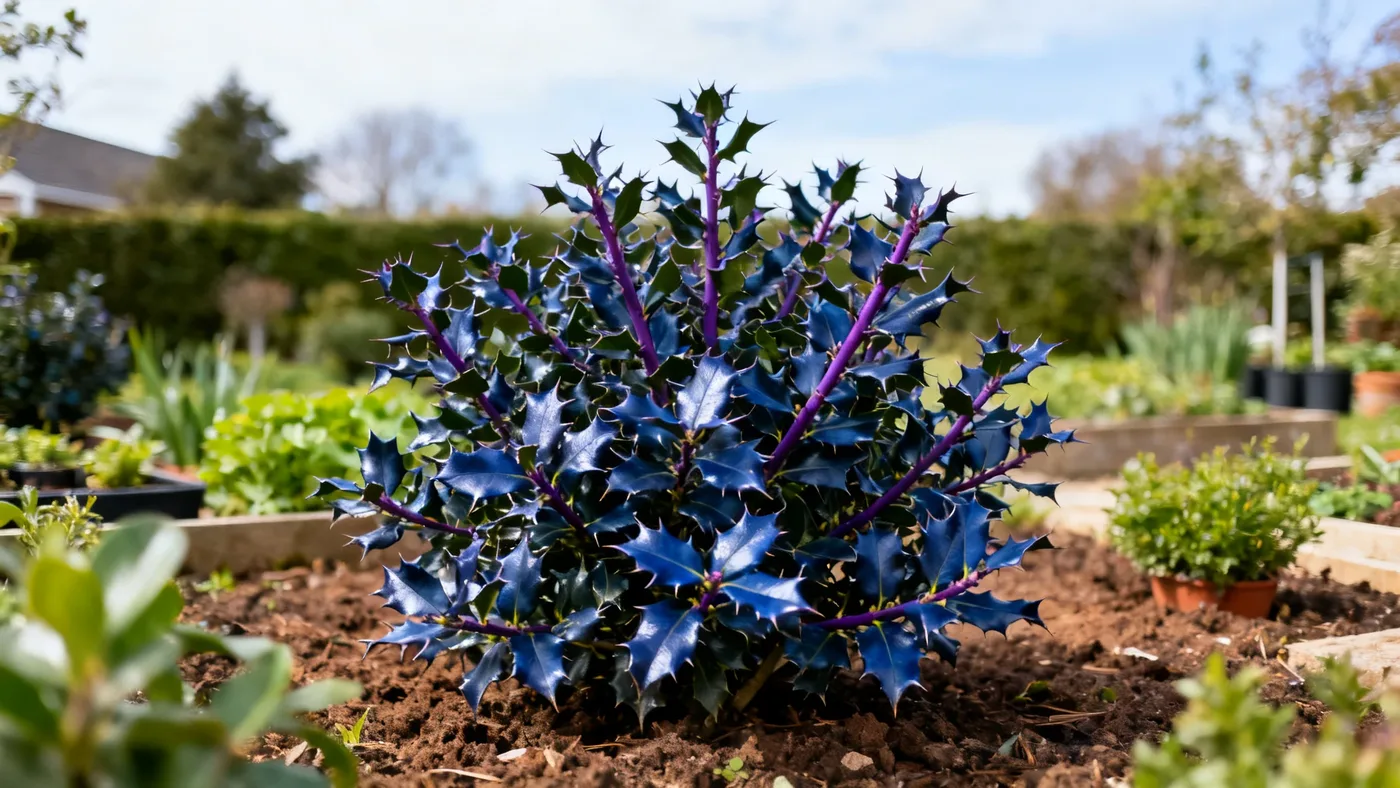
Best Soil for China Girl Holly: pH, Drainage and Amendments
China Girl Holly thrives when planted in the right soil. While this broadleaf evergreen is adaptable, it performs best in well-drained, humusy soil with a slightly acidic pH. This guide walks you through the exact soil requirements your China Girl Holly needs and how to amend your existing soil to match those conditions.
Why Soil Type Matters for China Girl Holly
The best soil for China Girl Holly balances drainage, moisture retention, and nutrient availability. Poor drainage causes root rot, a serious disease that kills the plant. Too little organic matter starves the shrub of nutrients and reduces the glossy foliage and winter berry production that make China Girl Holly a standout landscape choice.
China Girl Holly grows at a slow to moderate rate, roughly 6 to 12 inches per year once established. This growth occurs only when the plant is rooted in proper soil. Skipping soil preparation now means years of stunted growth later.
Understanding China Girl Holly Soil pH Requirements
China Girl Holly requires acidic to neutral soil with an ideal pH range of 5.0 to 6.5. This narrow range is critical. In alkaline soil (above 7.0), the shrub develops chlorosis, a nutrient deficiency that yellows the dark blue-green leaves while the veins remain green.
Before planting, test your soil pH with a home kit (available at any garden center) or submit a sample to your local extension service for a complete analysis. If your soil tests above 6.5, you will need to amend it with sulfur or peat moss to lower the pH. If your soil is already in the 5.0 to 6.5 range, minimal adjustment is needed.
Soil pH is not a one-time concern. Acidifying sulfur gradually washes out of soil over time. Retest every 3 to 5 years if you initially had to lower pH, especially in sandy or well-drained soils where leaching is faster.
Drainage Essentials: The Non-Negotiable Requirement
Drainage is not optional for China Girl Holly. The shrub does not tolerate waterlogged conditions and will die in poorly drained soil within weeks or months. At the same time, the plant performs best with consistent moisture during establishment.
The goal is soil that holds water long enough for roots to absorb it but drains excess water quickly. To test your drainage, dig a hole 12 inches deep and fill it with water. If water drains within 1 to 2 hours, your soil drains well. If it takes 4 or more hours, you have a drainage problem that must be corrected before planting.
In heavy clay soil, dig a planting hole and backfill with a 60/40 mix of native soil and coarse peat moss or composted bark. Raise the planting bed 6 to 8 inches above grade to further improve drainage. In sandy soil, add compost to boost water retention without sacrificing drainage.
Best Soil Types for China Girl Holly
China Girl Holly is adaptable to loam, clay, and sandy soils as long as drainage is decent. Loamy soil is ideal because it already balances drainage and water retention. If you have clay or sandy soil, amending it with organic matter will make it perform like loam.
Loamy Soil
Loam is a balanced mix of sand, silt, and clay. If your soil is naturally loamy, simply mix 2 to 3 inches of compost into the planting area and you are ready to plant. Loamy soil requires minimal amendment because it already holds moisture and drains well.
Heavy Clay Soil
Clay compacts easily and drains poorly. To plant China Girl Holly in clay, dig a hole twice as wide as the root ball and 1.5 times as deep. Backfill with a blend of 50 percent native clay soil, 30 percent coarse peat moss, and 20 percent perlite or coarse sand. This mix keeps the soil from compacting while improving drainage. Do not use sand alone on clay, as it can create a hardpan layer that traps water.
Sandy Soil
Sandy soil drains so quickly that it struggles to hold moisture or nutrients. Mix 3 to 4 inches of aged compost into the planting area. This adds organic matter that acts like a sponge, holding water and nutrients while still allowing drainage. Pine bark compost works especially well because it breaks down slowly and conditions the soil for years.
How to Amend Soil: Step-by-Step Instructions
Soil amendment means adding organic matter or other materials to improve your native soil. Follow these steps before planting your China Girl Holly.
- Test your soil pH and drainage. Use a home test kit or send a sample to your local extension office. Results typically arrive in 1 to 2 weeks. Note the current pH and drainage assessment if included. This baseline tells you exactly what amendments are needed.
- Gather your materials. You will need aged compost or well-rotted bark, and possibly sulfur (if pH is above 6.5) or peat moss (to both lower pH and improve water retention). Check your local extension office for sulfur application rates specific to your soil type and target pH.
- Prepare the planting area. Clear weeds and grass from a circular area at least 6 to 8 feet in diameter. This is the recommended spacing for hedging or screening. Loosen the native soil to a depth of 12 inches using a garden fork or tiller.
- Add organic matter. Spread 2 to 4 inches of compost or aged bark over the loosened soil. For clay soil, use the coarser peat moss or bark to avoid further compaction. For sandy soil, use compost to increase water-holding capacity.
- Lower pH if needed. If your soil pH is above 6.5, apply sulfur according to extension office guidance (rates typically range from 1 to 2 pounds per 100 square feet, but vary by soil type). Mix it into the top 6 inches of soil thoroughly.
- Mix all amendments into native soil. Use a garden fork or tiller to blend the compost and any amendments into the native soil. Work to a depth of 8 to 10 inches. Do not compact the soil as you work, since loose soil encourages root penetration.
- Water the amended area. Water thoroughly to help amendments settle and give you a sense of final drainage. The water should disappear within 1 to 2 hours on amended soil. If it pools, you have a bigger drainage issue to address.
- Plant your China Girl Holly. Dig a hole just as deep as the root ball but 1.5 to 2 times wider. Place the shrub so the top of the root ball is level with the ground, not buried. Backfill with the amended soil, firm gently (not hard), and water well to eliminate air pockets.
Ongoing Soil Maintenance
Your work does not stop at planting. Ongoing soil care keeps China Girl Holly healthy for decades.
Apply a 2 to 3-inch layer of mulch such as shredded bark or wood chips around the base, keeping it a few inches away from the stems to prevent rot. Mulch regulates soil temperature, suppresses weeds, and gradually breaks down to add more organic matter. Refresh mulch every 2 to 3 years as it decomposes.
Water regularly during the first year to establish deep roots. Even moderately drought-tolerant plants like China Girl Holly need consistent moisture until fully established. In subsequent years, water during dry spells (more than 2 weeks without rain) to maintain the consistent moisture the plant prefers.
In early spring, apply a light feeding with an acid-loving shrub fertilizer. Avoid overfeeding, which promotes soft growth and reduces berry production. One application per year is sufficient for established plants.
Common Soil Mistakes to Avoid
Planting in compacted soil. Compacted soil restricts root growth and causes poor establishment. Always loosen and amend the planting area rather than planting directly into undisturbed native soil.
Using sand to amend clay. Sand plus clay creates concrete, not better soil. Always add compost or peat moss to clay, not sand alone.
Burying the root ball. Planting too deep suffocates roots and invites root rot. The top of the root ball should be level with grade, not below it.
Ignoring drainage problems. If your site holds standing water after rain, improving the soil alone will not save the plant. You may need to raise the bed, install a drainage line, or choose a different planting location.
Skipping the pH test. Guessing your soil pH means risking chlorosis later. A $10 home test kit or extension lab sample is cheap insurance against years of poor performance.
Over-amending with peat moss. While peat moss improves drainage in clay, using it alone can eventually harden and repel water. Blend it with compost and native soil for better long-term results.
Expected Results After Proper Soil Preparation
When planted in properly amended soil within the correct pH range (5.0 to 6.5), China Girl Holly may establish faster, show denser foliage, and produce more winter berries. Well-draining soil with adequate organic matter supports consistent growth year after year and may reduce the risk of diseases like root rot, leaf spot, and powdery mildew.
For more on caring for China Girl Holly after planting, see the complete growing guide.
Quick Reference: Soil Checklist
| Soil Factor | Ideal Condition | How to Test or Prepare |
|---|---|---|
| pH Level | 5.0 to 6.5 (acidic to neutral) | Home test kit or extension lab |
| Drainage Rate | Water drains in 1 to 2 hours | Dig a hole, fill with water, time it |
| Soil Texture | Loam, amended clay, or amended sand | Feel test or extension soil analysis |
| Organic Matter | 2 to 4 inches of compost mixed in | Visual inspection before planting |
| Amendment Depth | 8 to 10 inches deep | Mark depth with a stake or ruler |
| Mulch Layer | 2 to 3 inches after planting | Measure from soil surface, keep off stems |
| Planting Hole Width | 1.5 to 2 times wider than root ball | Measure the root ball, multiply by 1.5 to 2 |
| Root Ball Placement | Level with ground surface, not buried | Visual check before backfilling |